
Origins
Venezuelan coffee origins
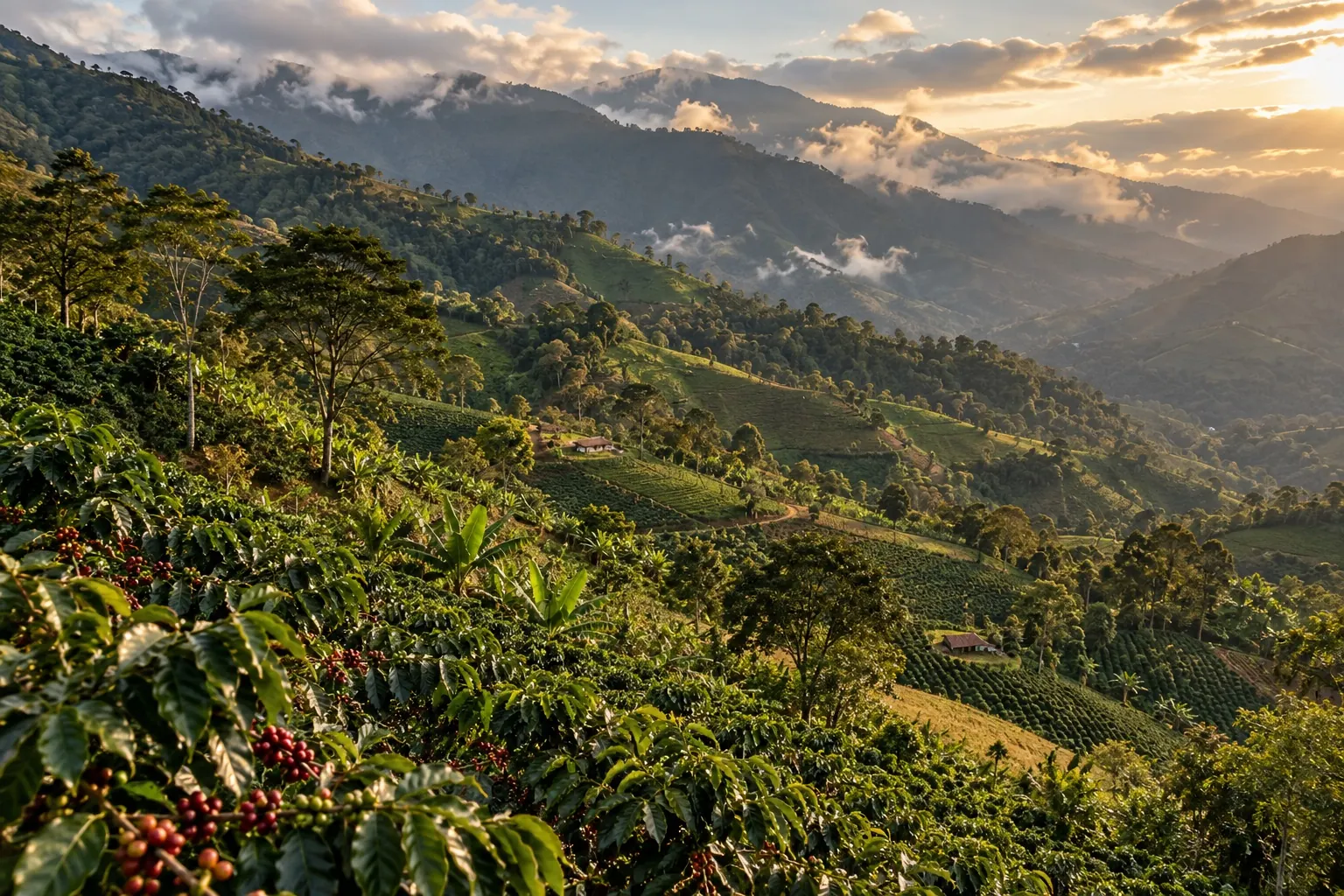
Three growing regions, six origins we source from: the Andes, the Andean piedmont and the eastern massif.
Venezuelan coffee grows in three regions. The Andes of Táchira, Mérida and Trujillo produced the historic "Maracaibo" coffees. The Andean piedmont of Portuguesa and Lara is today one of the country's most productive areas and home to our Acarigua hub. The eastern massif of Monagas and Sucre gave its name to the Caripe variety. Every origin below is available on request.
| Origin | State | Typical altitude | Main harvest | Process |
|---|---|---|---|---|
| Boconó | Trujillo | 900–1,600 m | October to March | Fully washed, patio or marquesina dried |
| Portuguesa | Portuguesa | 600–1,600 m | October to March | Washed and natural |
| Sanare | Lara | 1,000–1,800 m | October to March | Mostly washed |
| Santa Cruz de Mora | Mérida | 1,200–1,700 m | October to February | Washed |
| Rubio | Táchira | 800–1,600 m | October to February | Washed |
| Caripe | Monagas | 700–1,400 m | September to January | Washed and natural |
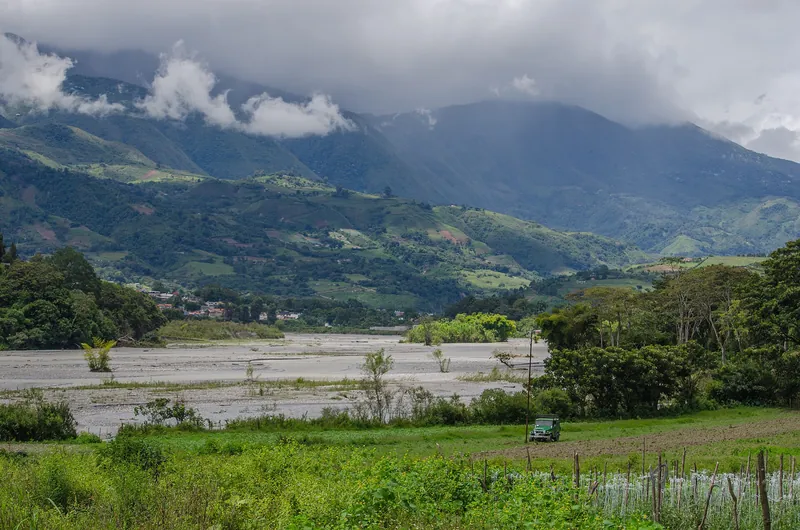
Boconó, Trujillo
Boconó sits in the Trujillo Andes, where small family farms on steep slopes produce a dense, washed Arabica with bright acidity. It is the origin of our featured lot.
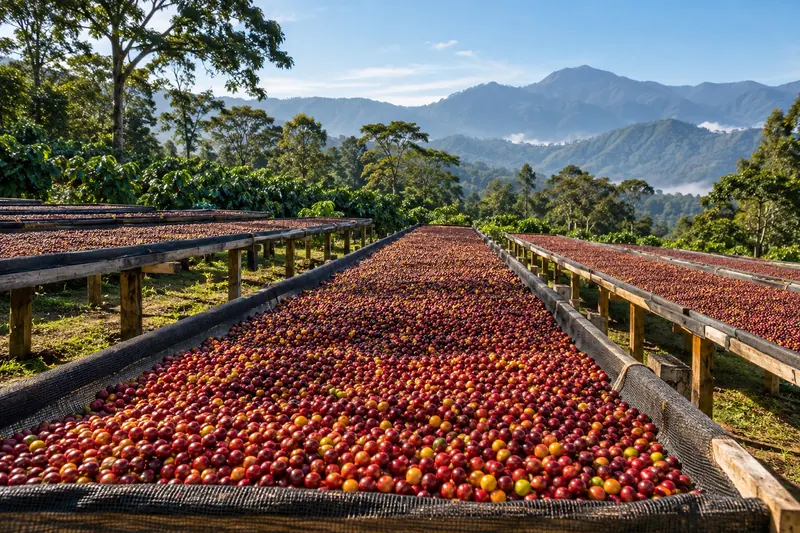
Portuguesa
On the piedmont where the Andes meet the plains, Portuguesa is one of Venezuela's main coffee states and the home of our Acarigua hub.
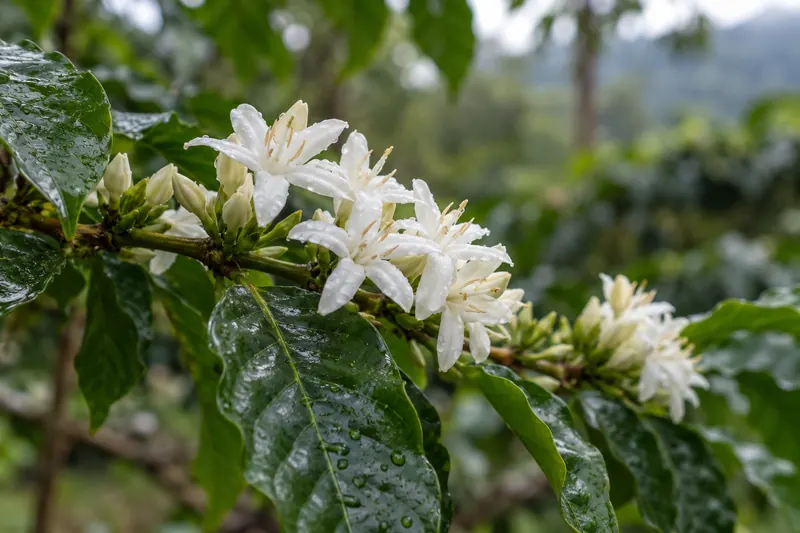
Sanare, Lara
High on the slopes of Lara, Sanare grows coffee at the edge of the cloud forest of Yacambú National Park.
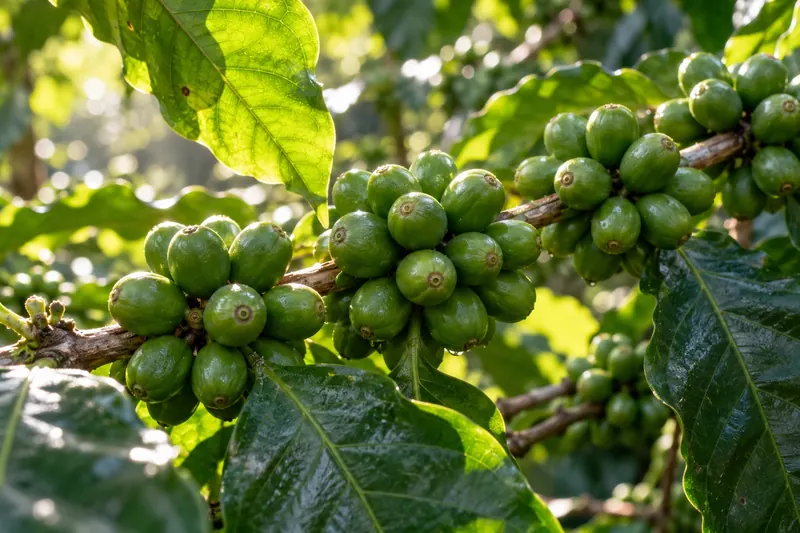
Santa Cruz de Mora, Mérida
The Mocotíes valley of Mérida is one of Venezuela's historic coffee heartlands, and Santa Cruz de Mora its best-known coffee town.
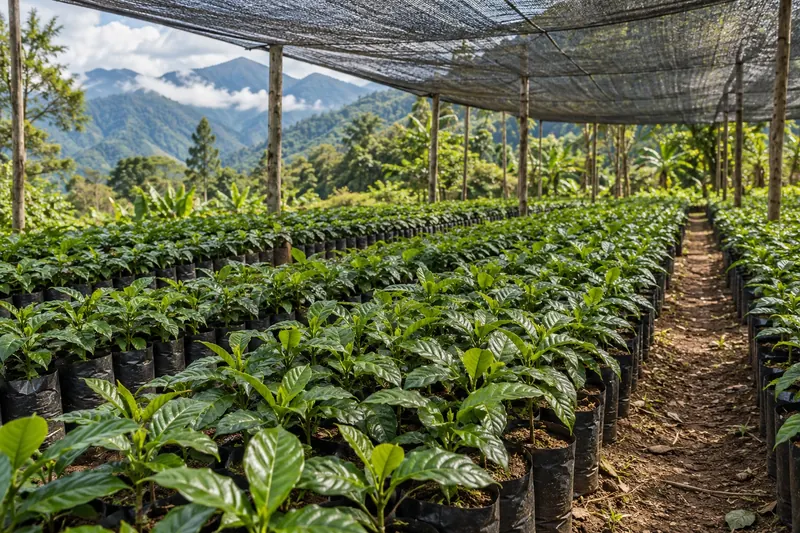
Rubio, Táchira
Rubio is where coffee took root in the Venezuelan Andes, and Táchira is where INIA bred Monteclaro, the country's best-known modern variety.
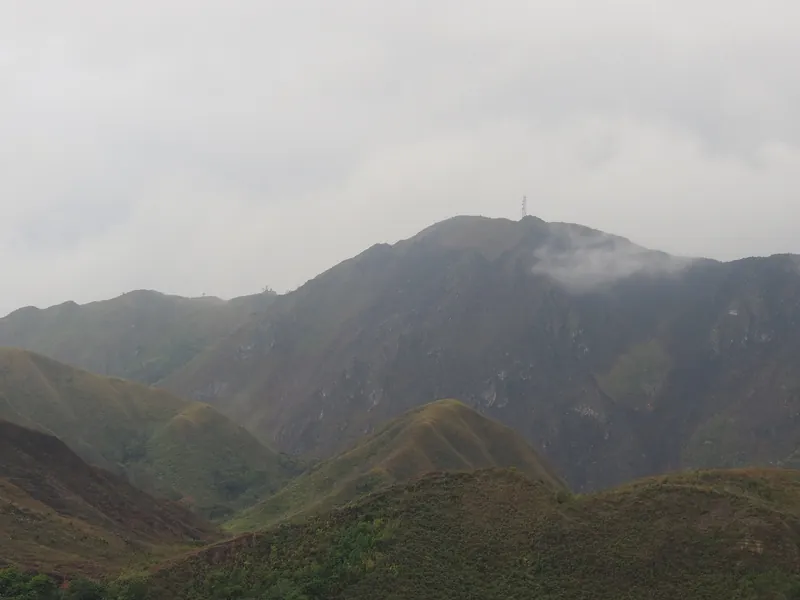
Caripe, Monagas
In the mountains of eastern Venezuela, the Caripe valley — "the garden of the east" — gave its name to the first Venezuelan coffee variety in the World Coffee Research catalogue.