The place
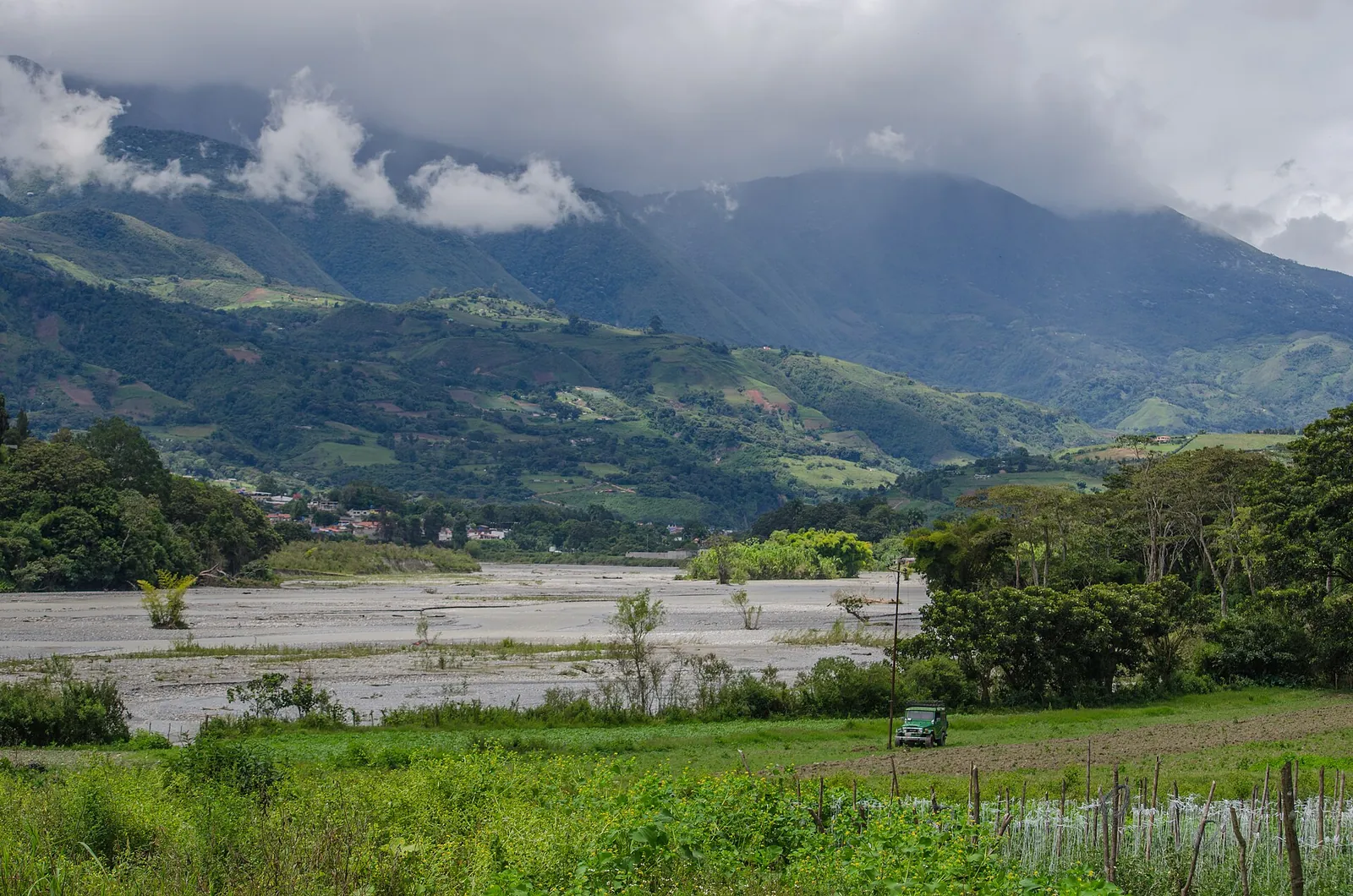
Boconó is a mountain municipality in the south of Trujillo State, at the northern end of the Venezuelan Andes. Coffee grows between roughly 900 and 1,600 metres, on steep, forested slopes where cool nights slow the ripening of the cherry and favour a dense bean.
Coffee reached Trujillo early in the nineteenth century, and the state became one of the three Andean producers whose coffee travelled down to Lake Maracaibo and was sold abroad as "Maracaibo" coffee. Neighbouring Campo Elías shares the same mountain conditions and supplies part of our Trujillo lots.
Farms and process
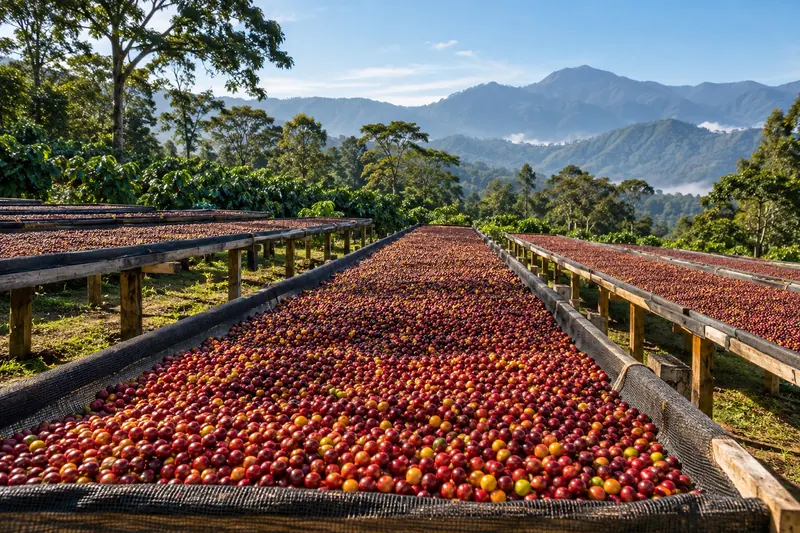
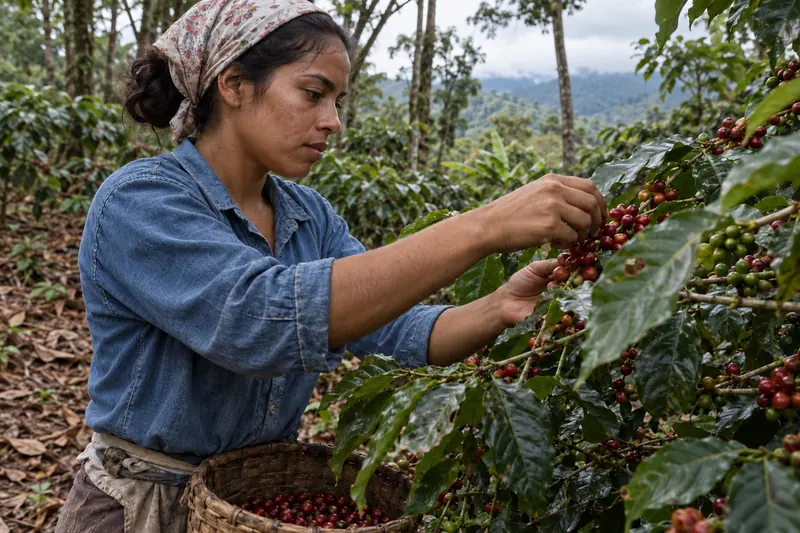
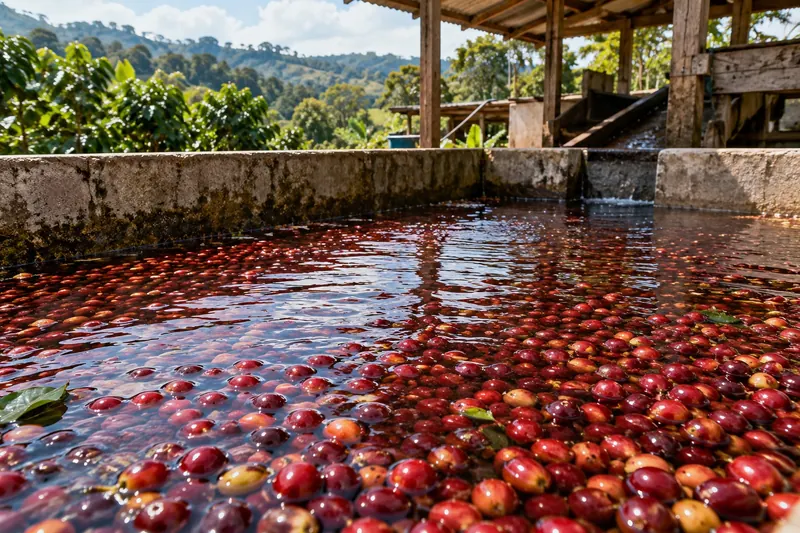
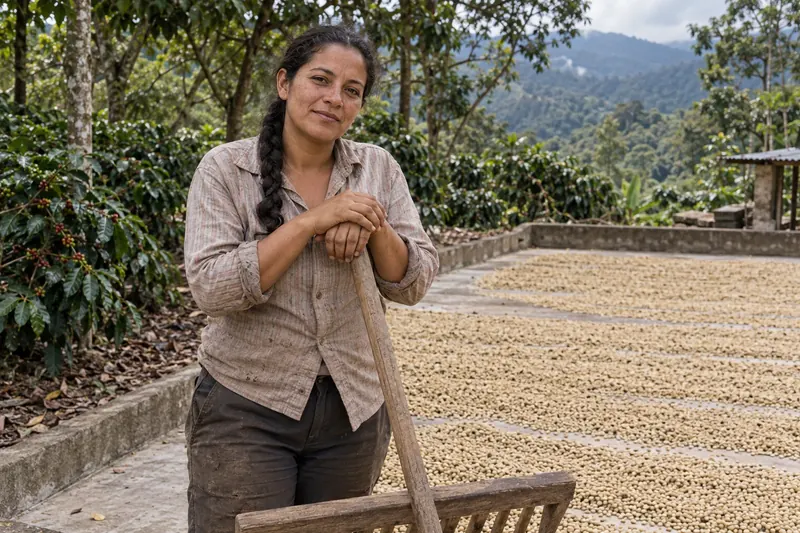
Farms are small family holdings, typically 5 to 20 hectares, often under native shade. Cherries are picked by hand, pulped mechanically, fermented in tanks for 16 to 20 hours, washed and dried on patios or in raised marquesinas to 12% moisture or less.
Dry parchment is hulled and the coffee is screened, density-sorted and hand-picked at our Acarigua hub, where each lot receives its code and quality certificate.
In the cup
Washed Boconó coffee shows a bright, citrus-leaning acidity, light to medium body and a fresh, fairly clean finish, with cocoa and sweet-spice notes in the best lots. Roasters use it as the acidity and freshness component of Italian espresso blends, paired with natural Brazils or Robusta for body, and as a base for filter blends.
Varieties grown in Boconó
Container lots are field blends of several cultivars. In Boconó the main ones are: Caturra, Catuaí, Typica, Bourbon, Castillo, Colombia 27, Catimor, INIA 01, Araguaney, Monteclaro. See our guide to Venezuelan coffee varieties.
Buying Boconó coffee
Lots from Boconó are available on request and shipped FOB Puerto Cabello or CIF to your port, with a quality certificate per lot and EUDR geolocation data for EU shipments. Farm names and plot coordinates are disclosed upon contract signing. Read our EUDR guide for importers or request an offer.